
Office relocation checklist for Indian companies: a 90-day plan from lease to move-in, ₹ fit-out costs by city, lease registration, GST and INC-22 steps.

Office relocation checklist for Indian companies: a 90-day plan from lease to move-in, ₹ fit-out costs by city, lease registration, GST and INC-22 steps.
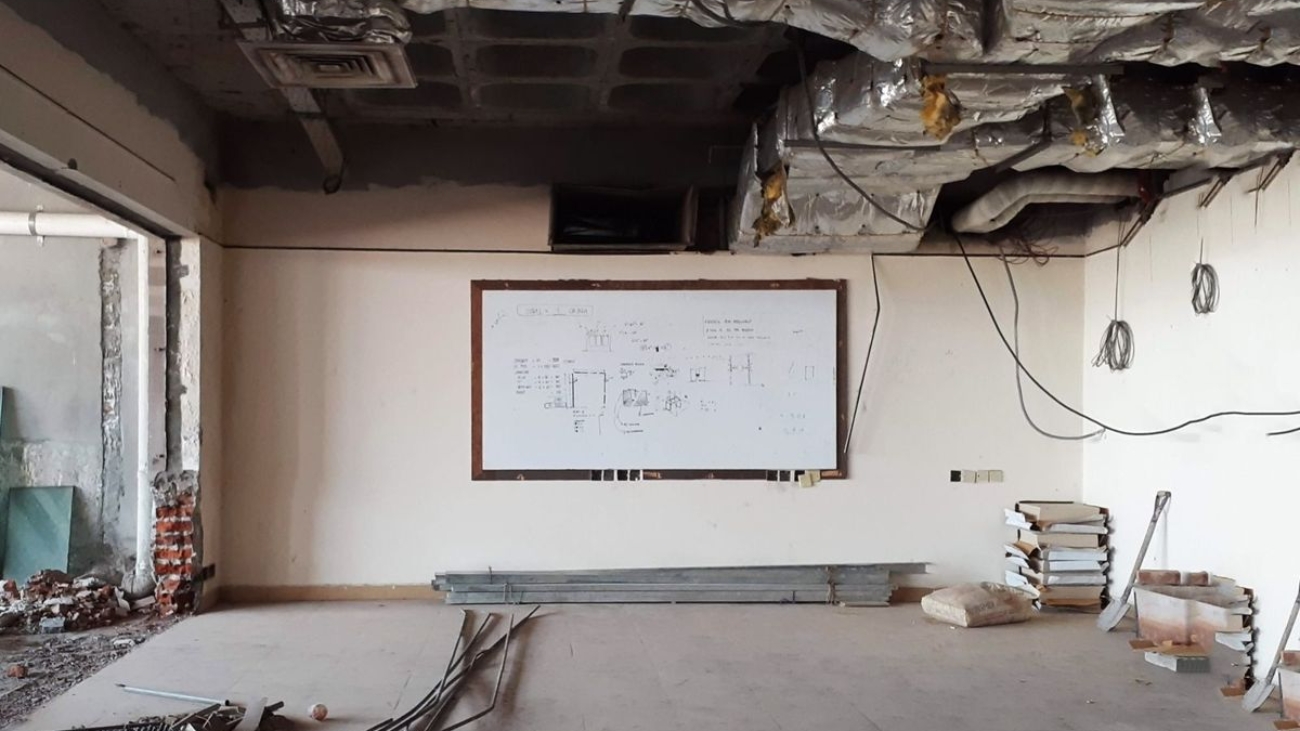
Turnkey vs item rate contract vs PMC for Indian office interiors: who carries cost and time risk, plus retention, DLP, LD and GST terms explained in ₹.
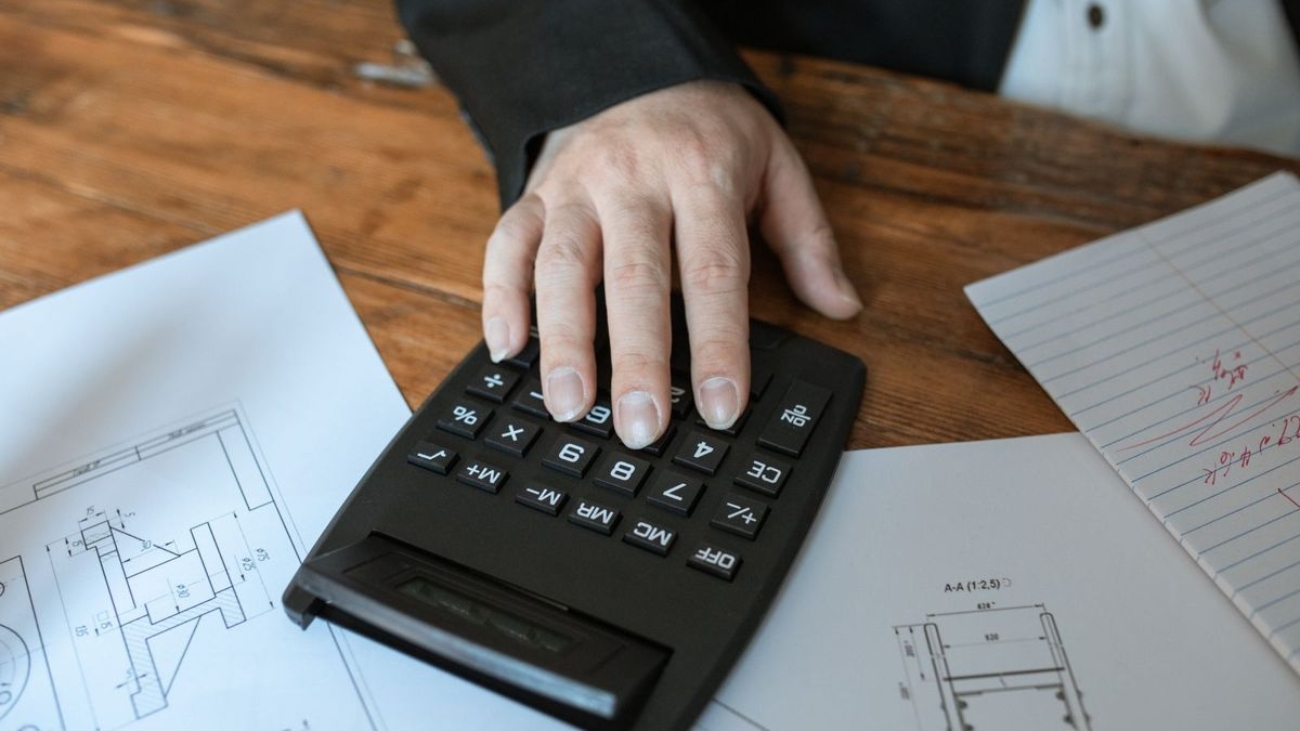
How to read an interior BOQ for an office fit-out in India: line items, IS 1200 units, 18% GST, trade-wise cost split and the checks to run before you sign.

Does your office fit-out need a fire NOC? NBC 2016 rules on partitions and ceilings, plus state rules in Gujarat, Maharashtra, Delhi, Haryana and Karnataka.
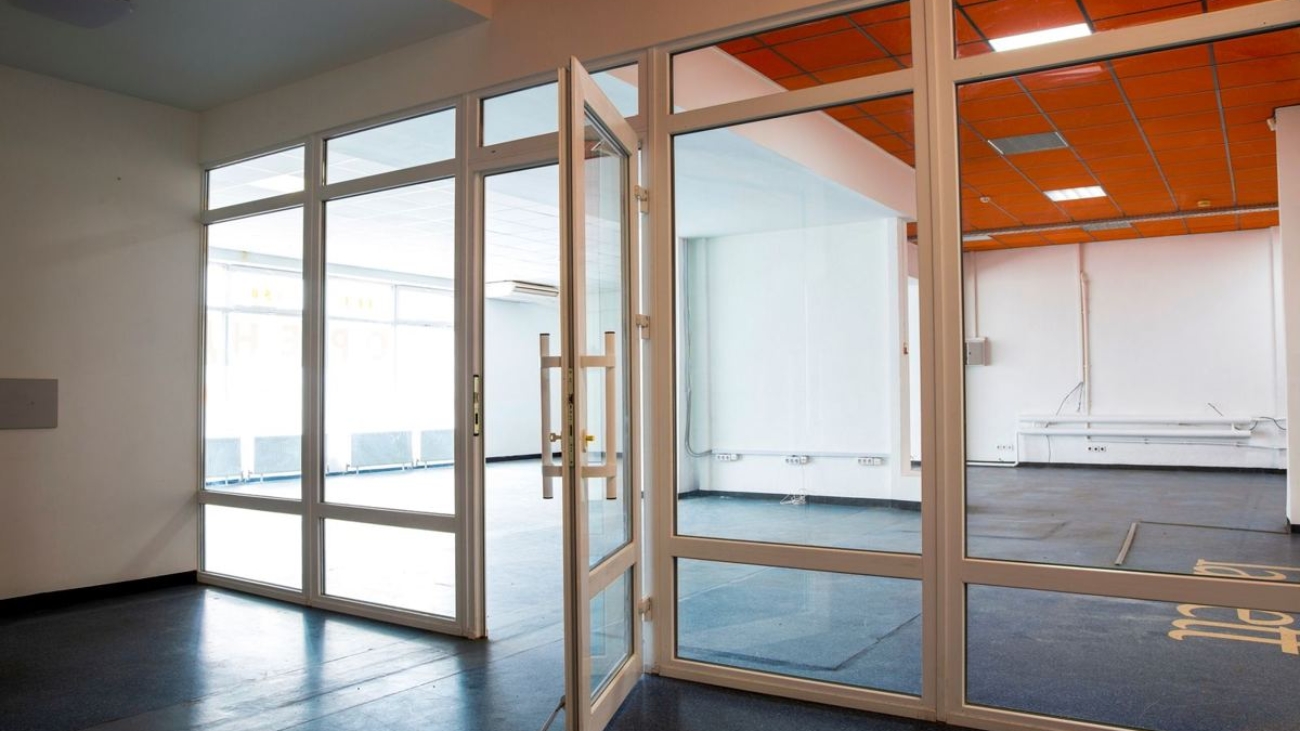
Office interior cost per sq ft in India for 2026: city-wise rates for Mumbai, Delhi, Bengaluru and more, costs by tier and component, GST and fire approvals.
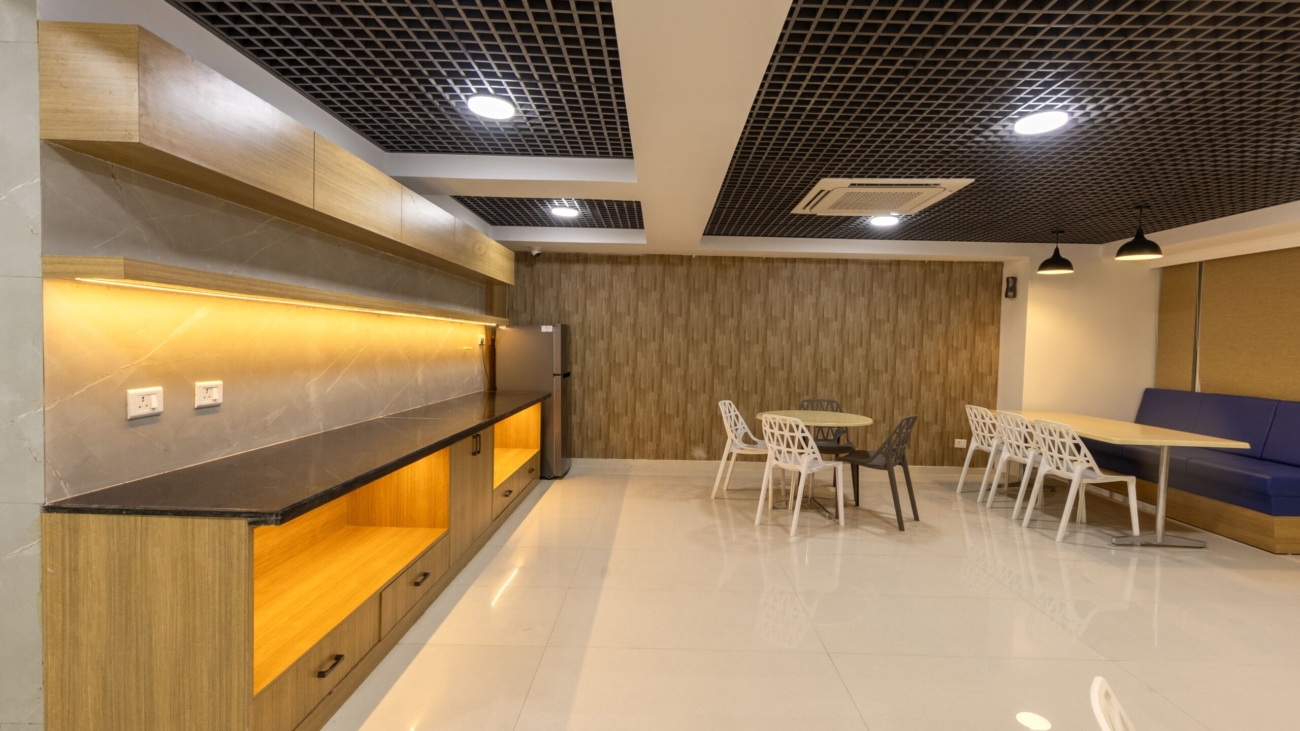
Every business reaches a point where its office no longer matches its ambition. The layout feels dated, the workflow feels clunky, or the space simply isn’t built for the team that’s grown into it. That’s usually the moment a company starts looking into Renovation and Turnkey Solutions and for good reason. A well-planned renovation doesn’t just refresh the look of an office; it changes how people work in it.
At Quick Furnish, this is where most client conversations begin. A business isn’t always looking to build from scratch. Sometimes the smarter, faster, and more cost-effective route is to reimagine what already exists and that’s the core idea behind Renovation & Turnkey Solutions.
Starting fresh in a new space sounds appealing, but it comes with hidden costs longer timelines, higher lease commitments, and the disruption of relocating an entire team. Renovation avoids most of that. It works with the existing structure, keeping the transition smoother and the budget more predictable.
A good renovation project looks at everything: how employees move through the space, where natural light is being wasted, which areas sit unused, and how meeting rooms, workstations, and common areas can be rearranged to actually support the way people work today. It’s less about decoration and more about function first, aesthetics second.
The word gets used loosely in the industry, so it’s worth clarifying. A true turnkey project means the client isn’t managing ten different vendors electricians, carpenters, furniture suppliers, HVAC teams and trying to keep them all on the same timeline. One team handles design, execution, procurement, and final handover. The client walks in on day one to a space that’s ready to use, not a space that’s “almost done.”
This matters more than people expect. Coordination gaps between vendors are usually where projects lose weeks, not the actual construction work. A single point of accountability removes that risk entirely.
Each step connects to the next, which is exactly why fragmented execution causes problems. When Renovation and Turnkey Solutions are delivered as one connected process, timelines shrink and surprises disappear.
Downtime is expensive. Every week an office sits half-finished is a week of reduced productivity, disrupted teams, and delayed operations. That’s why project speed isn’t a nice-to-have it’s often the deciding factor in choosing a design-build partner. A standard commercial renovation, done right, should take somewhere between six to eight weeks, not months.
Modern renovation projects increasingly factor in energy-efficient lighting, better ventilation planning, and materials that hold up over time instead of needing replacement every few years. It’s a shift from “build it fast” to “build it to last” and it’s becoming standard practice across corporate interior projects in India.
A commercial space renovation is rarely just about appearance. It’s about making an existing space work harder for the business that occupies it without the cost, delay, and disruption of starting over. Whether it’s a single office floor or a multi-city rollout, Renovation & Turnkey Solutions give businesses a way to modernize without losing time they don’t have.
Frequently Asked Questions
Q1. What’s the difference between renovation and a turnkey project?
Renovation refers to updating or restructuring an existing space. Turnkey means the entire process design, execution, and furnishing is handled by one team, so the client gets a ready-to-use space without managing separate vendors.
Q2. How long does a typical office renovation take?
Most commercial renovation projects are completed within six to eight weeks, depending on the size of the space and the extent of structural changes involved.
Q3. Is renovating an office cheaper than moving to a new one?
Usually, yes. Renovation avoids relocation costs, new lease negotiations, and the productivity loss that comes with shifting an entire team to a different location.
Q4. Can a renovation be done without disrupting daily operations?
In many cases, yes. Phased execution working section by section allows teams to continue functioning while the rest of the office is upgraded.
Q5. Do turnkey solutions include furniture and interior design?
Yes. A genuine turnkey solution covers civil work, electrical planning, furniture, fit-outs, and final styling, so nothing is left for the client to arrange separately.
Q6. How do I know if my office needs a renovation?
If the layout no longer supports your team size, meeting spaces are always overbooked, or the space feels outdated compared to your brand, it’s usually time to consider one.
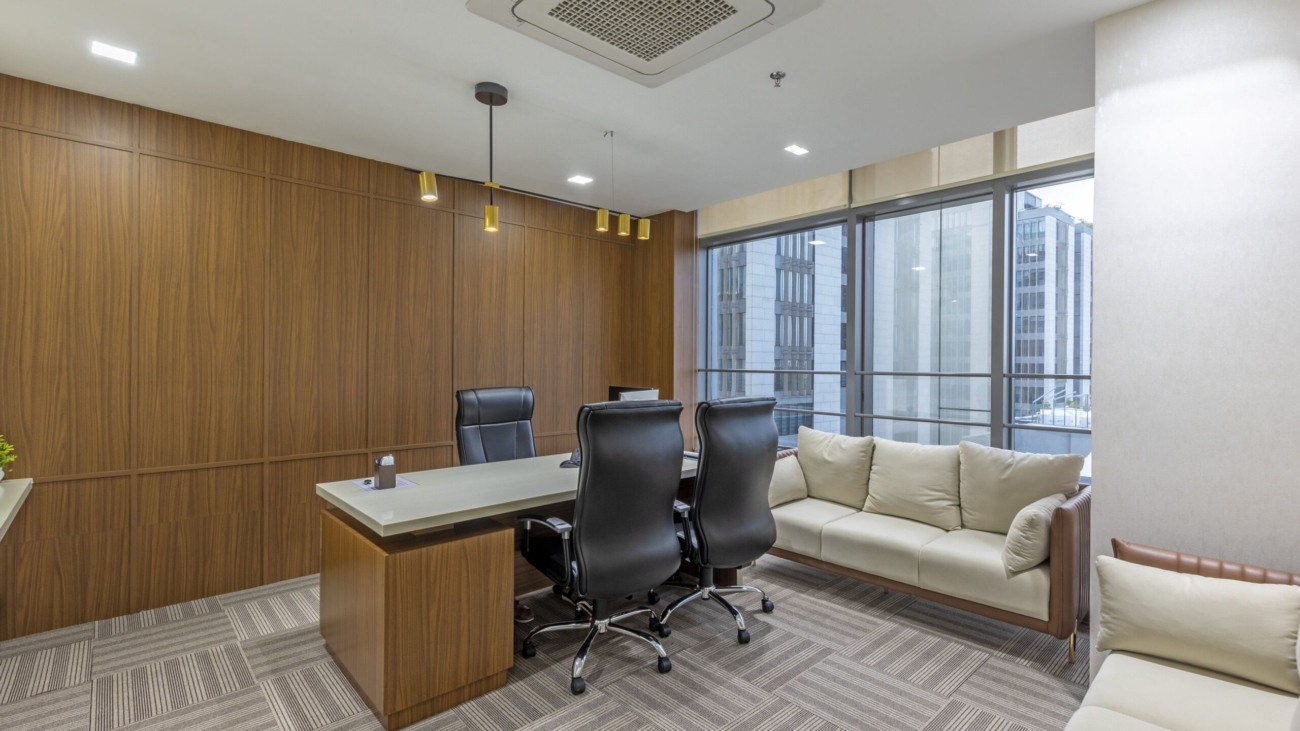
Walk into any thriving company’s office today, and you’ll notice something before you even meet a single employee the space itself tells a story. That’s the quiet power of good interior architectural design. It’s not just about paint colours or fancy chairs; it’s about how a room makes people feel the moment they step into it, and whether it helps them do their best work.
Over the last few years, more Indian businesses have started treating their offices as more than just a place to sit and work. They’ve realised that thoughtful office space design directly affects productivity, hiring, and even how clients perceive the brand. If you’re planning a new office, renovating an old one, or simply trying to understand what goes into a well-designed workspace, this guide breaks it down in plain, practical terms.
Interior architectural design blends structural planning with aesthetics. It’s the discipline that decides where a wall goes, how natural light travels through a floor, and how movement flows from the reception to the boardroom. Done well, it solves problems before they happen — cramped corridors, poor acoustics, or wasted square footage rather than patching them up later.
For businesses expanding into new cities or consolidating multiple offices, this planning stage saves real money. A well-thought-out layout reduces future renovation costs, uses every square foot efficiently, and creates a space that can grow with the company instead of needing a redesign every two years.
Office space design today has moved far beyond rows of identical cubicles. Modern workplaces are built around how teams actually behave — some days people need quiet focus zones, other days they need open areas for quick huddles. A good design accounts for both.
A few things that separate an average office from a genuinely well-designed one:
This is exactly where firms specializing in commercial and corporate interiors add value — they bring project management discipline, 3D visualization before execution, and a network of vendors that keep timelines tight without cutting corners on quality.
Before signing off on any design, it helps to walk through a few basics: What’s the actual headcount over the next two to three years? How much of the space needs to be collaborative versus private? What’s the realistic budget range, and does the timeline allow for a phased rollout if needed? Answering these early prevents costly mid-project changes and keeps everyone architects, contractors, and the client aligned from day one.
Q1. What’s the difference between interior design and interior architectural design?
Interior design usually focuses on the look and feel furniture, colours, decor. Interior architectural design goes a layer deeper, involving structural changes, space planning, and how the layout functions day to day.
Q2. How long does a typical office space design project take?
For most mid-sized commercial projects, six to eight weeks is a realistic timeline once the design is finalized, though it depends on the scope and any structural work involved.
Q3. Is a turnkey design-and-build approach better than hiring separate vendors?
For most businesses, yes. A single team handling design, procurement, and execution means fewer coordination gaps, clearer accountability, and usually a faster overall timeline.
Q4. Can office design really affect employee productivity?
Yes, and it’s well documented. Factors like lighting, noise control, and layout directly influence how focused and comfortable people feel through the workday.
Q5. What’s a reasonable budget range for a commercial office fit-out in India?
It varies widely by city, finish quality, and scale, but most established firms will map a budget range with you early on, based on square footage and material choices.
Q6. How do I know if my current office needs a redesign or just a refresh?
If the layout no longer supports your team size, or if you’re seeing complaints about noise, crowding, or poor flow, it’s usually a sign that a proper redesign not just new furniture is overdue.
Whether you’re setting up your first office or reworking a space that’s outgrown its purpose, getting the fundamentals of interior architectural design and office space design right from the start makes everything that follows hiring, client visits, day-to-day operations noticeably smoother.
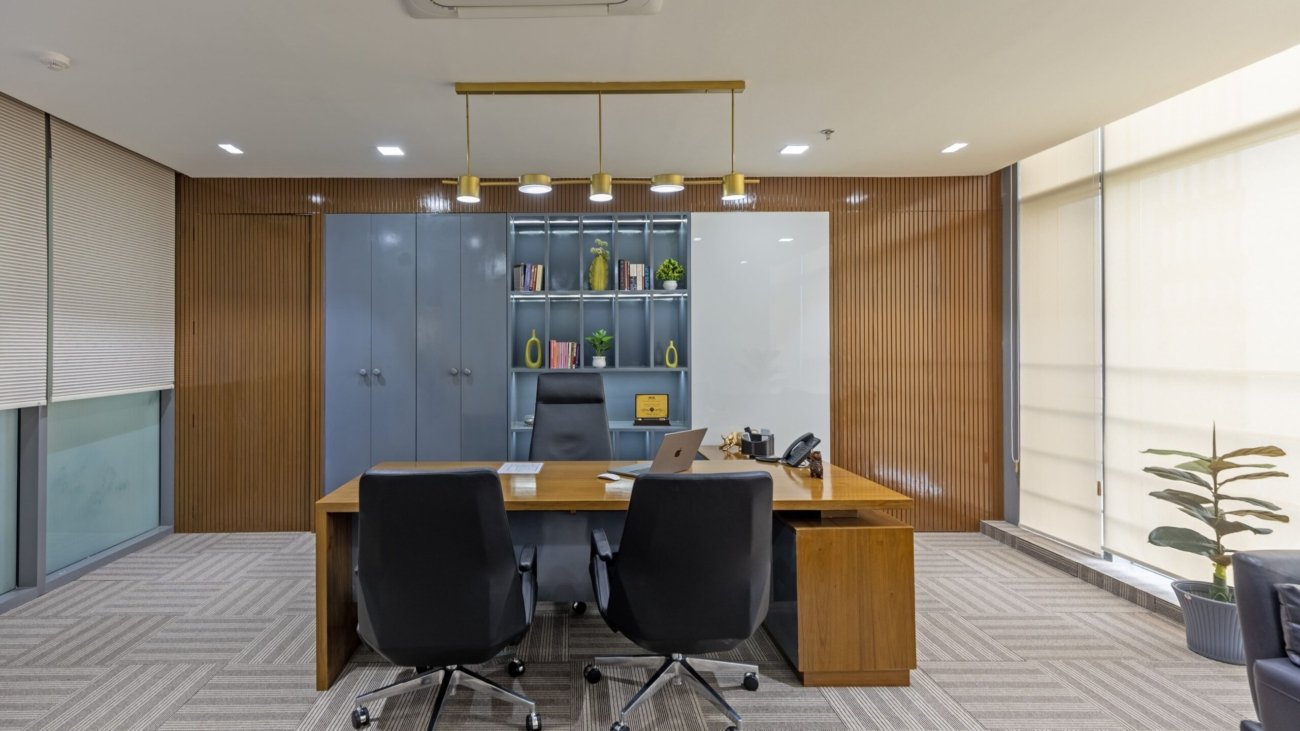
Walk into any office, hotel lobby, or restaurant that actually makes you want to stay a while, and you’re witnessing good design at work. It’s not an accident. Behind every space that feels effortless, there’s a team that understood layout, light, materials, and human behavior long before the first wall went up. This is where commercial interior design and hospitality design come in two closely related disciplines that shape how people experience a business the moment they walk through the door.
If you’re planning an office fit-out, a retail store, or a hotel renovation, understanding how these two fields work and where they overlap will help you make smarter decisions and avoid costly mistakes.
Commercial interior design focuses on spaces built for business operations: offices, corporate headquarters, retail outlets, showrooms, and co-working hubs. The goal isn’t just to make a space look good it’s to make it function well for the people using it every day.
A strong commercial interior design plan considers workflow efficiency, employee wellbeing, brand identity, and long-term flexibility. Open-plan layouts, biophilic elements, acoustic zoning, and smart space planning have become standard expectations rather than luxuries. Companies today want offices that support collaboration without sacrificing focus, and that reflect their culture the moment a client or new hire walks in.
Budget and timeline discipline matter just as much as aesthetics here. Businesses can’t afford long downtimes, so design-build firms that manage both design and construction under one roof rather than juggling separate vendors tend to deliver faster, cleaner results.
Hospitality design, on the other hand, is built around guest experience. Hotels, resorts, restaurants, cafés, and lounges all fall under this category. Unlike office design, where productivity is the north star, hospitality design is driven by emotion — comfort, ambiance, storytelling, and the sense of arrival a guest feels within the first thirty seconds.
Lighting design, material texture, acoustics, and even scent play a bigger role here than in most commercial projects. A hotel lobby needs to feel welcoming yet aspirational. A restaurant needs seating that encourages people to linger and spend, without feeling cramped. Every design choice in hospitality is ultimately tied to guest retention and word-of-mouth reputation.
Interestingly, commercial interior design and hospitality design increasingly borrow from each other. Modern offices now include lounge-style breakout zones, café corners, and warm lighting schemes once reserved for hotels a trend often called “resimercial” or “hospitality-inspired workplace design.” Meanwhile, hospitality brands are adopting the operational efficiency and project management rigor typical of commercial builds to control costs and timelines.
This crossover means clients benefit most from working with a design-build firm experienced in both worlds — one that understands functional planning and emotional design equally well.
Whether you’re building a corporate office or a boutique hotel, look for a firm that offers turnkey execution design, procurement, and construction under a single accountable team. This reduces miscommunication, keeps budgets predictable, and shortens delivery timelines significantly. Firms like Quick Furnish specialize in exactly this kind of end-to-end delivery, managing everything from 3D visualization to on-ground execution across multiple cities in India.
Q1. What’s the main difference between commercial interior design and hospitality design? Commercial design prioritizes functionality and productivity for business spaces, while hospitality design centers on guest comfort and emotional experience.
Q2. How long does a typical commercial interior design project take?
Most office fit-outs take around 6 to 8 weeks, depending on the size and scope of the project.
Q3. Is hospitality design only about looks?
No. It also involves acoustics, traffic flow, safety codes, and operational efficiency behind the scenes.
Q4. Can one firm handle both commercial and hospitality projects?
Yes, many experienced design-build firms manage both, since core skills like space planning and material selection overlap.
Q5. Why is turnkey design-build better than hiring separate vendors?
A single accountable team reduces delays, keeps communication simple, and usually lowers overall project costs.
Q6. What should I check before hiring an interior design company?
Look at their portfolio, past client reviews, project timelines, and whether they offer in-house design and execution teams.
Good design, whether commercial or hospitality-focused, always starts with understanding the people who’ll use the space. Get that right, and everything else layout, materials, lighting falls into place naturally.
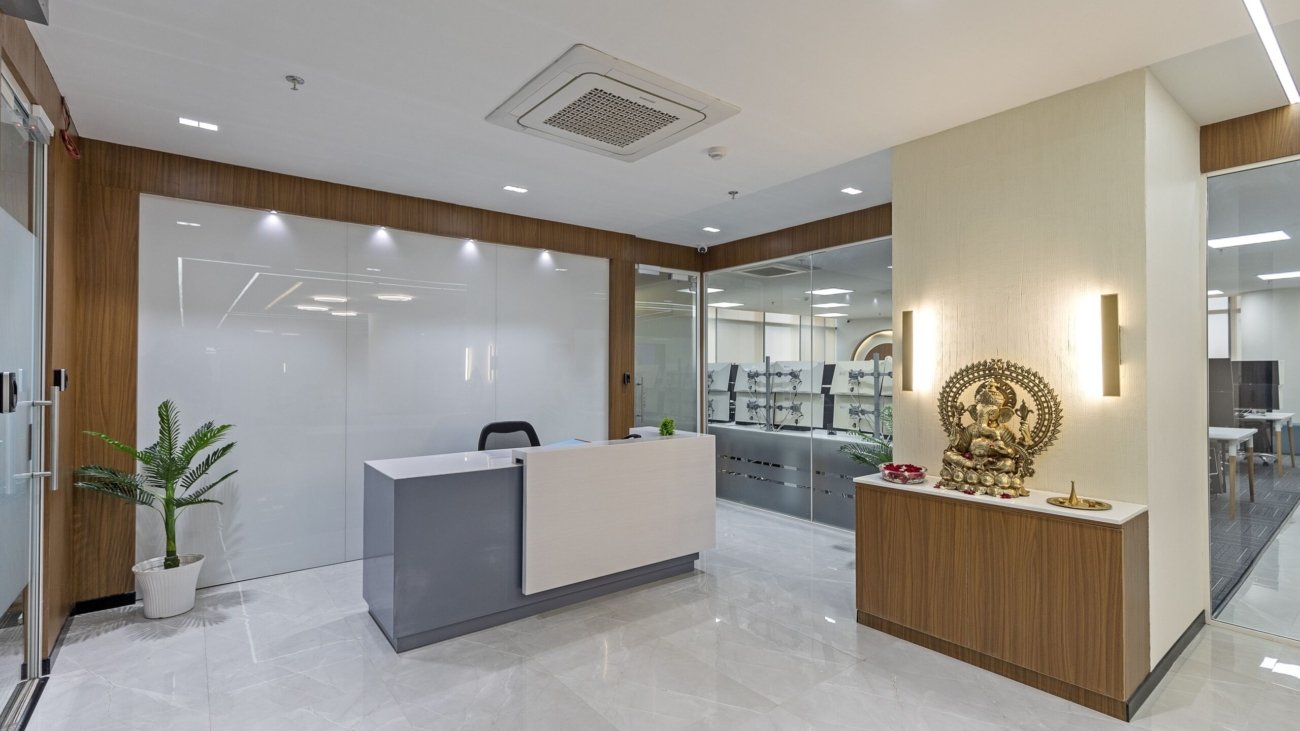
If you run a business in Gurgaon, you already know how much your office space says about you before a single word is spoken in a meeting. Clients notice it. New hires notice it. Even your own team feels it every single day. That’s exactly why more companies across Sector 61, Golf Course Extension Road, and the wider Gurgaon business hub are turning to professional commercial interior designers in Gurgaon who understand both design and deadlines.
QuickFurnish has built a strong reputation as one of the reliable interior design firms Gurgaon companies trust for turnkey office fit-outs. With a dedicated office at BPTP Central One on Golf Course Extension Road, Sector 61, the team works closely with local businesses, corporate offices, and expanding enterprises that need functional, good-looking workspaces without endless delays.
Gurgaon is one of India’s fastest-growing corporate hubs. New offices open every month, and companies relocating or expanding here can’t afford months of downtime waiting for construction to finish. This is where working with experienced commercial interior designers in Gurgaon genuinely makes a difference. A good design partner doesn’t just make a space look nice they plan the layout for productivity, manage vendors, handle electrical and civil work, and hand over a ready-to-use office on schedule.
QuickFurnish typically completes projects within 6 to 8 weeks, which matters a lot for businesses that need to move in fast. One client project, a 14,500 sq. ft. office fit-out, was completed in just 50 days, showing how speed and quality can genuinely go together when the right team is involved.
Not every design firm can handle the full journey from concept to move-in. Here’s what sets QuickFurnish apart:
End-to-end design and build. From initial concept to final handover, the same team manages design, construction, and execution, so there’s no confusion between multiple vendors.
3D visualization before construction. Clients get to see and approve their space digitally before any physical work begins, reducing costly changes later.
Real-time project tracking. A dedicated project management system lets clients monitor progress and catch issues early, instead of finding out about delays after they’ve already happened.
Customized, budget-conscious solutions. Every office has different needs, so layouts, materials, and finishes are tailored to each client’s actual requirements and budget, not a one-size-fits-all template.
Multi-city experience. With offices in Ahmedabad, Mumbai, and Gurgaon, QuickFurnish has delivered projects for known names like BDO India, Total Energies, Ultratech, and Smytten, bringing that same process discipline to Gurgaon-based businesses.
Working with commercial interior designers in Gurgaon doesn’t have to be complicated. QuickFurnish generally follows a simple path: understanding the client’s requirements and budget, creating a 3D design for approval, executing construction and interiors with regular progress updates, and finally handing over a fully finished, move-in-ready office. Post-project support is also part of the deal, so if something needs attention after handover, the team stays involved.
For companies weighing multiple interior design firms Gurgaon has to offer, the real differentiator usually comes down to three things: how fast they deliver, how transparent they are during execution, and whether the finished space actually works the way it was promised. QuickFurnish’s track record on all three is a big reason repeat clients keep coming back for their next office too.
Q1. How long does a typical commercial office interior project take in Gurgaon?
Most projects with QuickFurnish are completed in 6 to 8 weeks, depending on the size and scope of the space.
Q2. Do commercial interior designers in Gurgaon handle both design and construction?
Yes, QuickFurnish offers a complete design-and-build service, meaning one team manages everything from planning to final execution.
Q3. Can I see my office design before construction begins?
Absolutely. QuickFurnish provides 3D visualizations so clients can review and approve the layout before any physical work starts.
Q4. Is QuickFurnish only for large corporate offices?
No, the team works with businesses of varying sizes, from growing startups to established enterprises expanding into Gurgaon.
Q5. What areas in Gurgaon does QuickFurnish serve?
QuickFurnish operates out of Sector 61 near Golf Course Extension Road and serves businesses across Gurgaon and the wider NCR region.
Choosing between different interior design firms Gurgaon offers can feel overwhelming, especially when your business timeline doesn’t leave room for guesswork. What matters most is working with a team that combines design sense with real project management discipline. QuickFurnish brings both to the table, backed by a track record of on-time delivery, transparent communication, and workspaces built to help businesses perform better. If you’re planning an office fit-out or renovation in Gurgaon, QuickFurnish’s local presence and proven process make them a strong option worth a conversation.
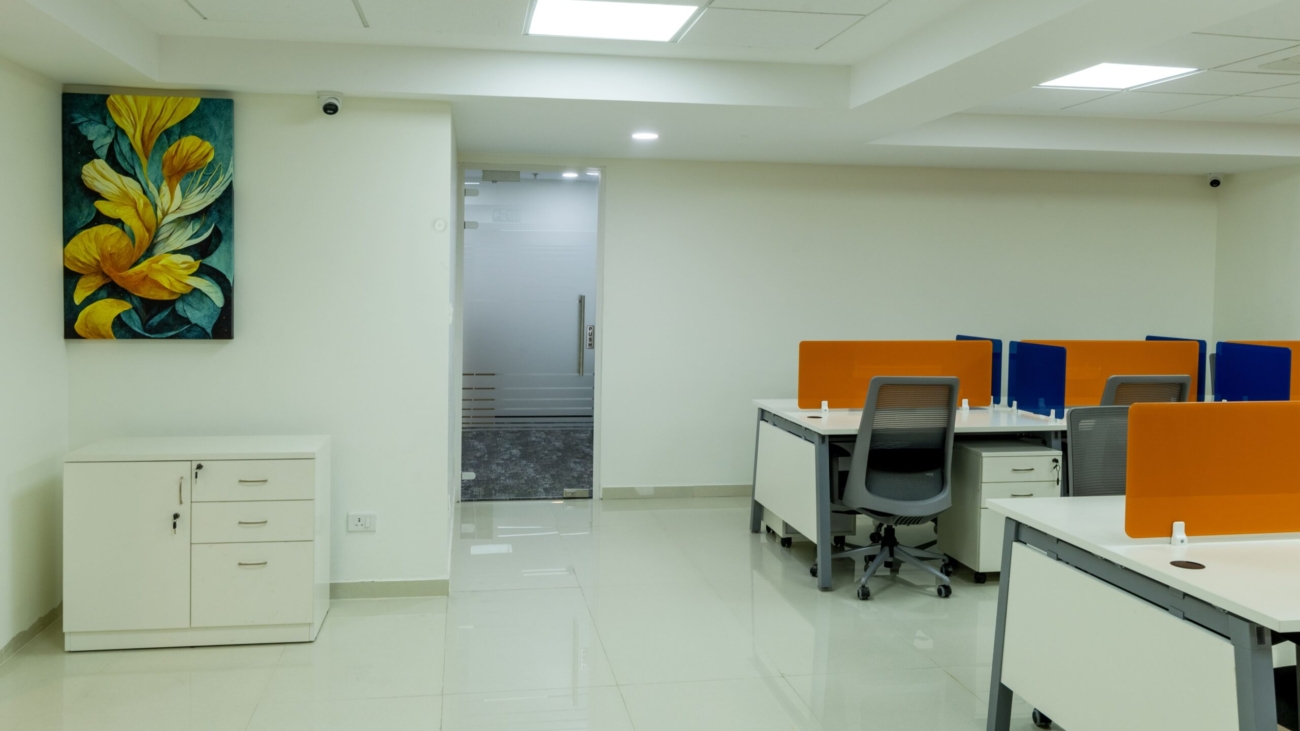
Finding the right team to shape your home or office isn’t just about picking colours and furniture. It’s about trusting people who understand your space, your budget, and your everyday life. If you’ve been searching for reliable interior design firms Gandhinagar has to offer, you already know how overwhelming the options can feel. Quick Furnish makes that decision simple by combining thoughtful design with dependable execution, so your space turns out exactly the way you imagined it.
Gandhinagar is growing fast. New offices, residential complexes, and commercial spaces are coming up across the city, and with that growth comes a real need for design professionals who can keep pace without cutting corners. Homeowners want spaces that feel personal. Businesses want offices that reflect their brand while staying functional. That’s where a dependable interior designer in Gandhinagar makes all the difference someone who listens first and designs second.
Quick Furnish has built its reputation on exactly this approach. Rather than pushing a fixed template onto every project, the team spends time understanding how a space will actually be used before a single sketch is drawn. This is why clients across sectors — from corporate offices to retail outlets keep coming back for repeat projects.
Speed without sacrificing quality. Most turnkey projects are completed within 6 to 8 weeks, which matters enormously for businesses that can’t afford long downtimes or homeowners eager to move in.
Designs built around you. Every project starts with a conversation, not a catalogue. Using detailed 3D visualization, clients can see and approve their space before construction even begins, removing the guesswork and reducing costly changes later.
Transparent, budget-conscious planning. Good design shouldn’t mean overspending. The team works closely with clients to identify where money is best spent and where smarter alternatives can save costs, all without compromising the final look or durability.
Real project tracking. A dedicated project management system allows clients to monitor progress in real time, catching potential issues early rather than discovering them after the fact.
Support that doesn’t end at handover. Once a project is complete, the relationship doesn’t stop. Ongoing post-project support ensures spaces continue to function well long after the final walkthrough.
Whether it’s a family home that needs a warmer, more functional layout, or a corporate office that needs to reflect professionalism and efficiency, the approach stays consistent: understand the space, understand the people using it, then design around both. Quick Furnish has delivered projects for well-known names like BDO India, Ultratech, Smytten, and Bajaj Finserv, proving that the same attention to detail scales from a single room to a 14,500 sq. ft. commercial fit-out.
For businesses specifically, this means working with a team that understands corporate interiors aren’t just about aesthetics they’re about workflow, employee comfort, and brand identity all coming together in one cohesive space.
More clients today are asking about environmentally responsible materials and practices, and rightly so. Quick Furnish integrates sustainable design choices wherever possible, ensuring spaces aren’t just beautiful today but remain practical and responsible for years to come.
Choosing among interior design firms Gandhinagar offers isn’t just about portfolios it’s about understanding local building norms, material availability, vendor networks, and timelines specific to the region. A team with strong roots and experience across Gujarat, including nearby Ahmedabad, brings practical knowledge that out-of-town firms simply can’t match. This local insight often translates into fewer delays, smoother approvals, and designs that genuinely suit the climate and lifestyle of the area.
If you’re ready to turn an empty space into something that feels like it was always meant to be there, working with an experienced interior designer in Gandhinagar is the first step. Quick Furnish brings the technology, transparency, and craftsmanship needed to make that transformation stress-free from start to finish.
Frequently Asked Questions
Q1: How long does a typical interior design project take with Quick Furnish?
Most turnkey office and commercial projects are completed within 6 to 8 weeks, depending on the size and complexity of the space.
Q2: Do I get to see my design before construction begins?
Yes. Quick Furnish provides detailed 3D visualizations so you can review and approve your design before any physical work starts.
Q3: Is Quick Furnish only for commercial spaces, or do they also handle residential interiors? While Quick Furnish is well known for commercial and office interiors, the same design philosophy and project management approach apply to residential projects as well.
Q4: How does Quick Furnish keep projects within budget?
The team works closely with each client to identify cost-saving opportunities in materials and execution without compromising design quality or durability.
Q5: What happens after my project is completed?
Quick Furnish offers post-project support to ensure your space continues to function smoothly, addressing any issues that may arise after handover.
Conclusion
Choosing between different interior design firms Gandhinagar presents can feel like a big decision, but it doesn’t have to be complicated. What matters most is finding a team that listens, plans transparently, and delivers on time. Quick Furnish has built a track record of doing exactly that combining local expertise with modern design tools to create spaces that work as beautifully as they look. Whether you’re setting up a new office or reimagining your home, partnering with a trusted interior designer in Gandhinagar like Quick Furnish means your vision is in capable hands from the very first sketch to the final walkthrough.