
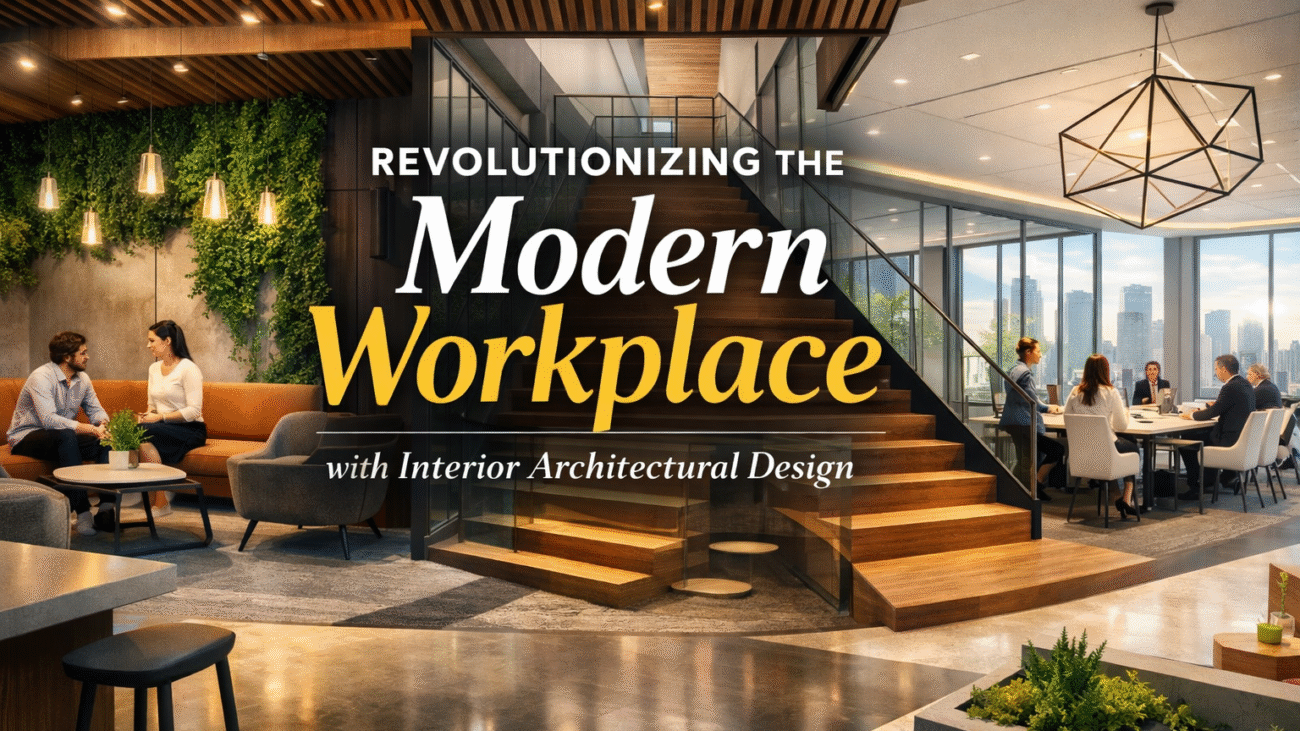
The way we work has undergone a radical transformation in the last few years. We have moved away from the era of grey cubicles and fluorescent lights into a time where the physical office is seen as a strategic tool for success. Today, a workspace isn’t just a place to park a laptop; it is a living environment that should inspire, support, and energize everyone who walks through the door.
At QuickFurnish, we believe that a great office is built at the intersection of aesthetics and engineering. This is where interior architectural design becomes the silent hero of corporate growth. It is about looking beyond the surface level of paint and furniture to understand the structural soul of a space and how it can be optimized for the people using it.
The structural soul of a productive workspace
Many people use the terms “interior design” and “interior architectural design” interchangeably, but there is a subtle, vital difference. While interior design focuses on the “look and feel,” interior architectural design focuses on the “how and why.” It involves the technical aspects of a space—the placement of walls, the flow of movement, the integration of smart lighting, and the acoustics that keep a busy office from becoming a noisy distraction.
When we approach a new project, we look at the skeletal structure of the building. We ask: How does the air circulate? Where does the natural light hit at 2:00 PM? How can we remove a non-load-bearing wall to create a more collaborative zone? By addressing these structural elements first, we ensure that the final design isn’t just beautiful, but fundamentally functional.
Designing for a hybrid world
In 2026, the office has to work harder than ever to earn its keep. With hybrid work being the new standard, people come to the office specifically for things they can’t get at home: collaboration, mentorship, and culture. Therefore, modern office space design must prioritize “activity-based working.”
This means creating a diverse ecosystem within one floor plan. You might have “library zones” for deep, focused work, “huddle rooms” for quick creative sprints, and “social hubs” where employees can connect over coffee. A well-planned office doesn’t force everyone into one style of working; it provides the right environment for whatever task is at hand.
The science of employee well-being
We have all felt the mid-afternoon slump that comes from sitting in a poorly ventilated, dimly lit room. The impact of your surroundings on your biology is real. This is why we integrate “biophilic design” into our office space design projects. It isn’t just about putting a few potted plants in the corner; it’s about using natural materials like wood and stone, maximizing window views, and even using air-purification systems that mimic natural breezes.
Lighting also plays a massive role. Smart lighting systems that adjust their color temperature throughout the day—mimicking the natural progression of the sun—can help regulate an employee’s circadian rhythm. This leads to better focus during the day and better sleep at night, which ultimately results in a more energized and loyal workforce.
Brand identity through physical space
Your office is a physical embodiment of your brand. When a client or a potential new hire walks in, they should immediately understand what your company stands for. Is your culture formal and prestigious? Is it quirky and high-tech? Is it eco-conscious and grounded?
Through interior architectural design, we use textures, colors, and spatial flow to tell your story. A high-end law firm might use heavy textures and private, soundproofed cabins to convey trust and discretion. A tech startup, however, might use an open-plan layout with modular furniture and vibrant “innovation walls” to signal agility and transparency. Your space is your most powerful non-verbal marketing tool.
Maximizing every square foot
Real estate is expensive, and every square foot needs to justify its cost. Professional office space design is about eliminating “dead zones”—those awkward corners or poorly planned hallways that serve no purpose.
At QuickFurnish, we use advanced 3D modeling to visualize how people will actually move through the office. We optimize the “flow” to ensure that high-traffic areas are wide and accessible, while quiet zones are tucked away from the noise of the pantry or reception. We also look for multi-functional opportunities; a lunchroom that can double as a space for “All-Hands” meetings, or a corridor that features built-in storage and touchdown desks for visiting consultants.
Sustainable design as a business imperative
In today’s economy, sustainability is no longer a “nice-to-have”—it’s a business necessity. A smart interior architectural design strategy incorporates energy-efficient materials, low-VOC (volatile organic compound) paints for better air quality, and furniture that is built to last.
By choosing durable, high-quality materials and modular systems, you reduce the need for frequent renovations and minimize waste. Sustainable design also lowers your overheads; energy-efficient lighting and smart climate control can significantly reduce your monthly utility bills, making your office more profitable in the long run.
The QuickFurnish turnkey experience
The biggest headache for any business owner is managing multiple vendors—contractors, electricians, furniture suppliers, and painters. That’s why we offer a turnkey approach. We take the stress out of the transformation by handling everything from the initial structural blueprints to the final installation of the last ergonomic chair.
When you invest in professional office space design, you aren’t just buying furniture; you are investing in your team’s happiness and your company’s future. You are creating an environment where ideas can flourish and where people actually want to come to work.