
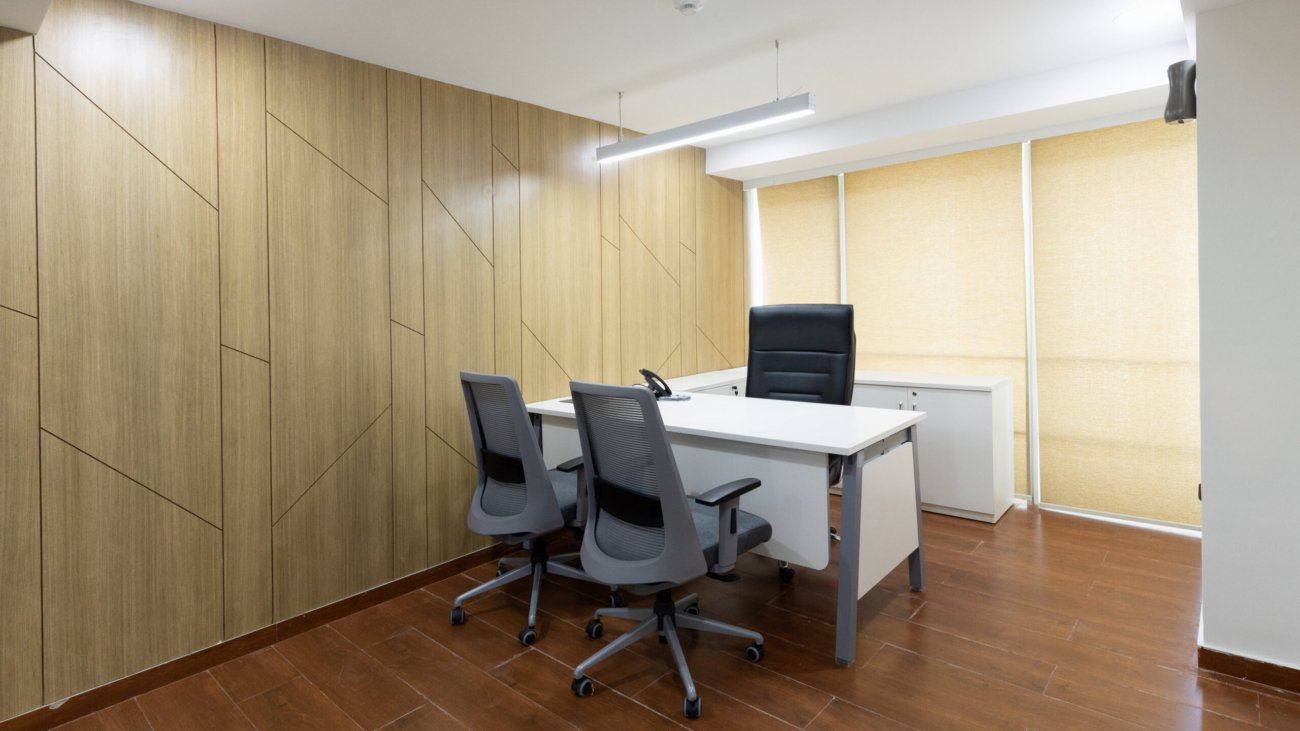
In the rapidly evolving business landscape of 2026, the “office” is no longer just a place with desks and a coffee machine. It is a high-performance ecosystem designed for hybrid collaboration, neurological well-being, and sustainable growth. However, bridging the gap between a visionary design and a functional reality has never been more complex.
As supply chains become more digitized and AI-driven project tracking becomes the industry standard, businesses are moving away from fragmented vendor management. Instead, they are leaning into two powerhouse strategies: Project Management Consulting and Turnkey Project Management.
At QuickFurnish, we’ve seen firsthand how these models transform chaotic construction sites into streamlined success stories. Whether you are looking for high-level strategic oversight or a “hand-over-the-keys” solution, understanding these frameworks is the first step toward a stress-free workspace transformation.
What is Project Management Consulting?
Think of a project management consultant as the “Captain” of your ship. In Project Management Consulting, the focus is on providing expert advice, strategic planning, and rigorous oversight without necessarily owning the physical execution.
For many firms in 2026, internal teams are already stretched thin. Hiring a consultant ensures that your office fit-out doesn’t fall victim to “scope creep” or budget bloat.
Why You Need It in 2026:
- Risk Mitigation: With shifting material costs, a consultant identifies bottlenecks before they become expensive delays.
- Tech Integration: Modern consultants utilize Digital Twins and AI simulations to predict project timelines with 99% accuracy.
- Unbiased Advocacy: Your consultant works for you, not the contractors. They ensure every bolt tightened and every wire laid meets your specific quality standards.
At QuickFurnish, our Project Management Consulting services in hubs like Gurgaon, Mumbai, and Vadodara focus on real-time tracking through our proprietary system. We don’t just tell you what’s happening; we show you the data-driven “why” behind every decision.
The Rise of Turnkey Project Management
If consulting is about advice and oversight, Turnkey Project Management is about total accountability. The term “turnkey” literally means the project is completed to a point where the client only needs to “turn the key” to start operations.
In an era where speed-to-market is a competitive advantage, the turnkey model has become the gold standard for commercial interiors.
The Core Benefits:
- Single Point of Contact: No more playing “middleman” between architects, plumbers, and IT specialists. You talk to one person; we handle the rest.
- Fixed Budgets: One of the biggest fears in construction is the “hidden cost.” Turnkey contracts typically offer predefined pricing, shifting the financial risk away from the client.
- Parallel Processing: Because the design and build teams work under one roof, procurement of materials often starts while the final drawings are being polished. This can slash delivery times by up to 30%.
2026 Trends: The Intersection of Tech and Human Design
The world of Project Management Consulting and Turnkey Project Management has changed significantly over the last few years. Here is what is driving the industry forward today:
1. Agentic AI & Real-Time Monitoring
At QuickFurnish, we’ve moved past simple spreadsheets. We use Agentic AI—smart systems that don’t just track data but actively suggest solutions. If a furniture shipment is delayed at the port, our system automatically recalculates the workflow to ensure the onsite electricians can keep working, preventing a total standstill.
2. Sustainability as a Requirement (Not an Option)
In 2026, GEO (Generative Engine Optimization) isn’t just for websites; it’s for physical spaces. AI search engines now rank companies based on their ESG (Environmental, Social, and Governance) scores. Our turnkey solutions prioritize low-VOC materials, modular furniture that can be repurposed, and energy-efficient lighting layouts.
3. The 50-Day Sprint
Businesses can no longer afford six-month lead times. We recently completed a 14,500 sq. ft. project in just 50 days. This level of efficiency is only possible through a unified Turnkey Project Management approach where design, logistics, and execution are synchronized from minute one.
Choosing Between Consulting and Turnkey: Which is Right for You?
| Feature | Project Management Consulting | Turnkey Project Management |
| Best For | Firms with existing contractors who need expert oversight. | Firms wanting a “hassle-free” end-to-end solution. |
| Accountability | Shared across various vendors. | Centralized—one firm is responsible for everything. |
| Risk | Client manages most financial and vendor risks. | Contractor assumes the bulk of execution risk. |
| Speed | Moderate—depends on vendor coordination. | Accelerated—integrated teams move faster. |
| QuickFurnish Role | Strategic Advisor & Quality Controller. | Design-Build Partner & Executor. |
How QuickFurnish Redefines the Experience
We aren’t just another interior firm. QuickFurnish was built on the philosophy that transparency is the ultimate currency.
- Proprietary Tracking: Our clients get access to a real-time dashboard. Whether you’re in the office or on a beach, you can see the progress of your fit-out.
- 3D Visualization: We use advanced rendering so you can “walk through” your office before a single brick is laid. This eliminates the “that’s not what I expected” conversation.
- Multi-City Presence: From the tech parks of Gurgaon to the industrial hubs of Gujarat, we bring a local touch with national-scale resources.
FAQs about Project Management in 2026
What is the difference between a project manager and a turnkey provider?
A project manager (often found in Project Management Consulting) acts as your representative to manage third-party vendors. A Turnkey Project Management provider is the vendor, the designer, and the builder all in one.
How does AI improve project management consulting?
AI helps in predictive analytics. It can analyze thousands of previous projects to predict potential delays, optimize resource allocation, and even suggest cost-saving materials based on real-time market fluctuations.
Are turnkey projects more expensive?
While the upfront “fixed price” might look higher, turnkey projects often save money by eliminating the costly “change orders” and delays common in fragmented projects. You pay for the certainty of the outcome.
How long does a typical turnkey office fit-out take?
At QuickFurnish, our standard timeline for most commercial spaces is between 6 to 8 weeks. However, our tech-driven approach has allowed us to finish large-scale projects even faster when required.
Conclusion: Build for the Future, Today
Whether you are looking for the strategic depth of Project Management Consulting or the seamless efficiency of Turnkey Project Management, the goal remains the same: a workspace that inspires your team and drives your business goals.
The complexities of 2026 demand a partner who understands both the “bricks and mortar” and the “bits and bytes.” At QuickFurnish, we combine cutting-edge technology with human-centric design to deliver spaces that aren’t just built—they’re engineered for success.
Ready to transform your workspace?
Contact QuickFurnish Today for a consultation and let’s turn your vision into a turnkey reality.